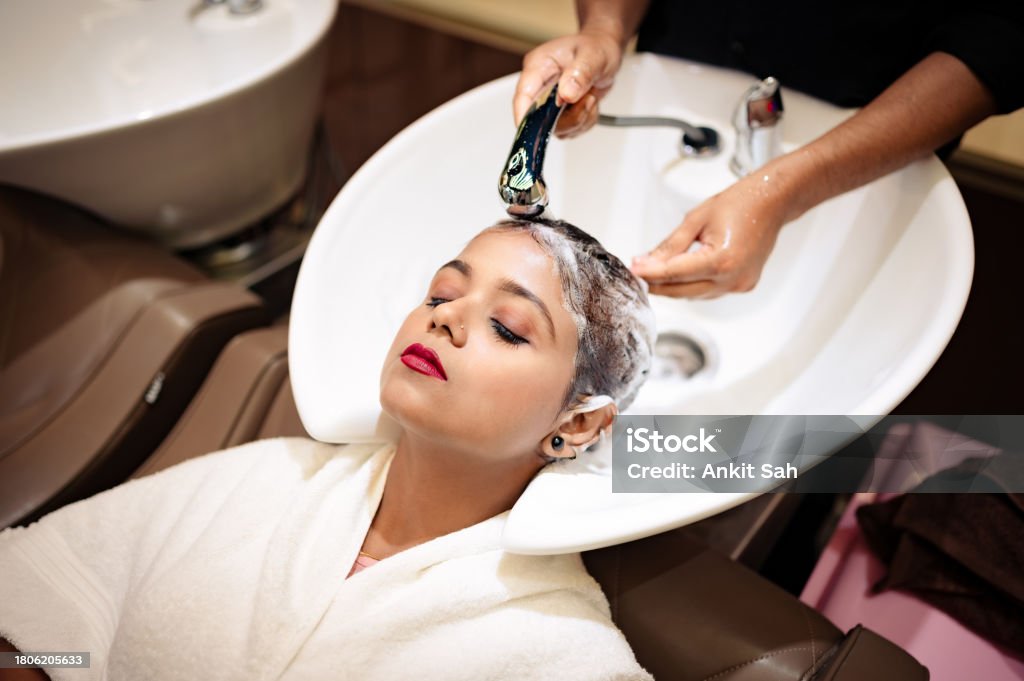

These products serve different purposes. You don’t need all three to maintain a basic routine.
Hair oil
Hair oil is commonly used to make lengths feel smoother, reduce friction or improve the appearance of dry hair. Some people prefer applying it before washing, while others use a small amount on the ends.
Scalp oiling is optional. If your scalp is oily, itchy or prone to irritation, heavy oil application may not suit you. Oil is also not a guaranteed treatment for hair growth or hair loss.
Hair serum
A hair serum is generally designed to improve the appearance and manageability of hair. Depending on its formula, it may help smooth flyaways, reduce the appearance of frizz and add shine.
Apply it according to the label, usually in a small amount. A serum can improve how hair looks and feels without treating every underlying cause of dryness or damage.
Hair mask
A hair mask is a conditioning treatment that may offer a richer or more intensive cosmetic effect than your usual conditioner. It can be useful if your hair is dry, chemically treated or difficult to detangle.
Use it according to the product instructions. A mask is an optional addition, not a requirement for healthy-looking hair.
Beginner tip: Start with shampoo and conditioner. Add oil, serum or a mask only when you know what problem you want that product to address.
8. How to Care for Different Hair Concerns
Dry hair
Dry hair may feel rough, look dull or tangle easily. To make it more manageable:
-
Choose a gentle shampoo that suits your scalp.
-
Condition the lengths and ends after washing.
-
Reduce excessive heat styling.
-
Avoid rough towel-drying and forceful brushing.
-
Consider a leave-in conditioner if your hair needs additional softness.
Frizzy hair
Frizz can become more noticeable when hair is dry, damaged or exposed to humid conditions.
Try using conditioner consistently, detangling gently and applying a suitable leave-in product. If you use heat styling tools, keep the temperature as low as practical and use heat protection. No product can eliminate frizz in every condition.
Oily scalp
An oily scalp doesn’t mean you should stop using shampoo. Appropriate cleansing removes excess oil and product buildup.
Choose a shampoo that cleans comfortably, and adjust your washing frequency as needed. Avoid applying heavy styling products directly to the roots if they make your hair feel greasy.
Hair breakage
Hair breakage happens when strands snap along their length. You may notice short, broken pieces or uneven-looking ends.
To reduce avoidable breakage:
-
Detangle gently instead of pulling through knots.
-
Reduce frequent straightening, curling and high-heat drying.
-
Avoid hairstyles that repeatedly pull tightly on the hair.
-
Condition regularly.
-
Take care when handling wet hair.
Repeated tension from tight hairstyles can also contribute to traction alopecia, a form of hair loss.
Dandruff
Dandruff commonly causes visible flakes and may cause itching. It is not necessarily a sign of poor hygiene.
An anti-dandruff shampoo may help. Depending on availability and local guidance, options may contain ingredients such as ketoconazole, selenium sulfide or salicylic acid. Follow the product’s instructions carefully, including how long to leave it on the scalp.
If the symptoms persist despite appropriate use, or your scalp becomes very itchy, painful, red or swollen, consult a dermatologist or other qualified healthcare professional.
Hair fall and shedding
It’s normal to shed some hair as part of the hair-growth cycle. However, shedding and breakage are different: shedding usually involves strands released from the scalp, whereas breakage involves strands snapping along their length.
Hair loss can have many causes, including genetics, illness, hormonal changes, nutritional deficiencies and certain medications. Shampoo, oil or serum alone may not address the cause.
Seek medical advice if you experience sudden or severe hair loss, bald patches, persistent thinning or changes accompanied by concerning scalp symptoms. Early assessment can help identify the underlying cause.
Ten Common Haircare Mistakes and How to Avoid Them
1. Using the wrong shampoo
A formula that leaves your scalp uncomfortable or your hair excessively dry may not suit your needs. Choose shampoo according to your scalp condition and adjust if problems continue.
2. Skipping conditioner
Shampoo alone may leave lengths more difficult to manage. Try conditioner after washing, adjusting the amount and application area to your hair type.
3. Brushing tangles roughly
Pulling through knots can damage fragile strands. Work from the ends upwards with a suitable comb or your fingers.
4. Using excessive heat
Frequent high-heat styling can weaken hair. Reduce the frequency and temperature of heat styling and use a heat protectant.
5. Wearing tight hairstyles regularly
Tight ponytails, buns and braids can create repeated tension. Choose looser styles and stop any style that causes pain or pulling.
6. Using too many products
Layering oils, serums, sprays and masks can make routines expensive and difficult to evaluate. Introduce one product at a time and keep only what helps.
7. Ignoring persistent scalp symptoms
Ongoing itching, scaling, redness or discomfort may need professional attention. Don’t rely on cosmetic products alone when symptoms persist.
8. Assuming expensive products are always better
Price doesn’t automatically determine suitability. Focus on your hair’s needs, the product’s purpose and how your hair responds.
9. Trying every trending DIY remedy
Natural ingredients can still irritate the scalp or cause unwanted reactions. Avoid harsh mixtures and unverified remedies, particularly those involving irritating ingredients.
10. Expecting instant hair growth
Hair growth and hair loss depend on several factors. Be cautious about guaranteed results from oils, supplements and shampoos, and seek professional advice for persistent loss.
The common thread is simple: gentle, consistent care is generally more useful than constantly changing products or chasing quick fixes.
10. Haircare Tips for Indian Weather and Lifestyle
India’s climate varies considerably by region and season. Heat, humidity, dust and exercise can affect how frequently you want to wash your hair, but your routine should still reflect your own scalp and hair type.
During hot and humid weather: Sweat and oil may accumulate more quickly. Wash as needed and avoid leaving the scalp uncomfortable simply to follow a fixed weekly schedule.
After exercise: If your scalp is sweaty, rinse or shampoo according to your needs. If you exercise frequently, a suitable routine can help you balance cleansing with conditioning.
When exposed to dust and pollution: Cleanse when your hair or scalp feels dirty. Conditioner can help make the lengths easier to detangle afterward.
During sun exposure: Wear a hat or use other physical protection when spending extended periods outdoors. People with thinning hair may also need appropriate sun protection for exposed scalp skin.
After swimming: Rinse your hair with fresh water. If you swim regularly, a suitable conditioner can help manage dryness, and a swimmer-specific cleansing product may be useful when needed.
If you have hard water: Mineral deposits may affect how your hair feels or how products rinse out. However, hard water should not automatically be blamed for hair fall. If you suspect a connection, consider a practical rinse or product adjustment rather than purchasing multiple treatments immediately.
To reduce friction: Avoid rubbing your hair aggressively with a towel. Use a soft towel or T-shirt to absorb excess water and handle tangles gently.
These habits focus on reducing avoidable wear rather than promising that a particular climate-specific product will solve every hair concern.